地震・津波・原子炉の大事故
これらが起こって私はこのところずっと映画「Village」について考えている。
本音を言えば・・電力が豊富にあって便利な生活をすることが本当に人々の幸せにつながるのかといえば私は大きな疑問を感じている。しかし、もう人 類は後戻りは出来ないだろう・・そのようにも思う。でも、後戻りしたらそれで問題が解決して人々が気楽に暮らせるようになるかというとそれもまた疑問。
しかし・・ビレッジという映画がある。米国には山の中に隠れて住んでいる人々がいる。政府が把握していない村がある。ほとんどは宗教団体で現代社会から自分 達を隔離して生きているそうだ。ビレッジという映画の中では、殺人事件の被害者の家族達が現代社会を捨て山奥に村を作り暮らしている。その村はまるで産業革命前 のよう。この村を作った人々の子供達は全く村以外のことを知らず、現代社会があることも知らない。この村の創始者の中心人物である男性は娘が幼いときに 「失明」すると判ったときにも現代社会に助けを呼びに行くことはなかった。(=おそらく現代医学をもってすれば失明しないで済んだのだと思う。)が、その 娘も成人した後のこと。村で傷害事件が起こってしまう。この村の若者が別の若者にナイフで刺され死にそうになってしまう。現代社会の医学をもってすれば助 かる・・。娘が幼いときに失明したときにも現代社会に助けを呼びに行かなかった村の創始者の男性は・・・失明した娘を村の外へと送り出し、現代社会から必 要な薬を取り寄せる。
で・・・ふと薬草について習おうかな、と思うようになった。
私は西洋医学を否定しない。なぜなら一番、人体開いて実験してるし、薬草についても分析を行っているのは西洋医学だから。他のもの、漢方やホメオパシーや針とかなどなど・・は他の分野を深く追求してる。それぞれ追求する方向がちがうというだけですべて同じだから。
子供がいるとやっぱりそうは行かないけれど、彼らが独立したら・・・私はもう医学は要らないな。痛み止めさえあれば十分。マリファナの栽培くらい許してくれ。外に売らないからさ。
で、今から薬草のことをちょっと学びたいな、と思う。知識のためじゃなくて使う目的で。面白そうだし。裁きの豆とかどうして人間はそんなこと知りえたの?という興味もある。経験から知ったのではないような気がするのだ。
子宮頸がんとかもアメリカは半年に一回検診がある。2年に一回は肉体の一部を切り取って生体検査(これは私の場合。)すっごく痛い・・・。後10歳も年老いたらたかが検査のためのこの痛みに耐えられないだろう。
この大地震・大津波・原子力発電所の事故・・・をきっかけに(それ以前にもこのやたらと無駄に生きた長い年月でじわじわと蓄積された何かはあるのだろうけれども・・)私はやっと自分がどう生きたいかが解ってきたみたいだ。 いや、どう死にたいか、かもしれない。
これはあくまで私という個人がどう生き、どう死にたいかそれだけの話。
世界のとるべき方向性云々とは全く別の話。
Thursday, March 31, 2011

新たな水草購入を考える - kyoto
ペットショップにkyotoというそのお店独自の名前がついた水草がある。芝生みたいなかんじの。日本の水草なのだろうか?これを今度は買おうかな。でも学名控えて調べてからにしよう。これが育てやすい種であるなら欲しいな。砂利の表面を覆ってくれると芝生が土が風に舞うのを防ぐのと同じ効果があって砂利の表面が安定する。でもkyotoは高さ5CMくらいある。もっと大きくなる種かもしれない。私の水槽は小さいからよく調べてからにしよう。
水槽は二つあってそれぞれ別の水草を入れて、それぞれが増えたら株分けして互いに水草を分け合ったら経済的だ!
ぼろぼろ水草、新しい葉がいっぱい増えてのびて来た。葉の先っぽがなんだか腐ってる??かのような色?ん?と思い水から出して触ってみたが、フレッシュな感触。もっと若い小さな(1cm以下)葉をよーく見てみると、あ、葉の先の色が違う!ということを発見!
カッコが少しつくようになるにはかなりの時間が必要になりそうです。さっといい草買ってしまってとっとと整えてしまうのもひとつの手だけれども・・なんだかぽちぽちやっていきたい気分です。
追記
Kyoto glass Mondo grass (Ophiopogon japonicus ) 水草ではなく水中に入れると死ぬって・・。アメリカのペットショップは・・・。オンラインショッピングが好きでないがやっぱりオンラインが確実かも?チャイナタウンに一件、種類豊富に水草を置いてある店があるが・・魚が入っている(水草の成長を考えると魚入れとくと飼育が楽。)もしその魚に病気があるとうちの魚にもうつってしまう。そしてタニシも。タニシは少しでも水草についてると自宅の水槽に入れた後に爆発的に増える。ふーむ・・・。
水槽は二つあってそれぞれ別の水草を入れて、それぞれが増えたら株分けして互いに水草を分け合ったら経済的だ!
ぼろぼろ水草、新しい葉がいっぱい増えてのびて来た。葉の先っぽがなんだか腐ってる??かのような色?ん?と思い水から出して触ってみたが、フレッシュな感触。もっと若い小さな(1cm以下)葉をよーく見てみると、あ、葉の先の色が違う!ということを発見!
カッコが少しつくようになるにはかなりの時間が必要になりそうです。さっといい草買ってしまってとっとと整えてしまうのもひとつの手だけれども・・なんだかぽちぽちやっていきたい気分です。
追記
Kyoto glass Mondo grass (Ophiopogon japonicus ) 水草ではなく水中に入れると死ぬって・・。アメリカのペットショップは・・・。オンラインショッピングが好きでないがやっぱりオンラインが確実かも?チャイナタウンに一件、種類豊富に水草を置いてある店があるが・・魚が入っている(水草の成長を考えると魚入れとくと飼育が楽。)もしその魚に病気があるとうちの魚にもうつってしまう。そしてタニシも。タニシは少しでも水草についてると自宅の水槽に入れた後に爆発的に増える。ふーむ・・・。
Wednesday, March 30, 2011
3/22 よれよれ水草 ー これはなんだ?小さなワラビ
ぼろぼろの水草。お店で根もばつんばつん切られていて水の中にもおらず切られてほとんどなくなった根の部分だけゼリーの中に突っ込まれていた。もう死んでるかもな、と思いつつ水に入れておいたら・・しばらくして新しいねが3ミリほど出ていた。
生きてる! で、すぐにco2ボトルを作って肥料を与え始めた。で・・昨日、気がついたのだけれども・・根以外に何か小さな・・細さは1ミリ以下、長さは3ミリほど・・緑のワラビみたいのが出ている。これはなんだ?
葉かな?それともrunnerかな?すでに育っている葉はだんだん茶色の斑点が増えてる。だから、今ある葉はそのうち全滅してしまうかもしれない。でも、何か出て来ているからまだ生きてると思う。経過を見よう。
よくわからない。 『古いものがすっかり終わらないと新しいものははじまらない。」Krishnamurti
生きてる! で、すぐにco2ボトルを作って肥料を与え始めた。で・・昨日、気がついたのだけれども・・根以外に何か小さな・・細さは1ミリ以下、長さは3ミリほど・・緑のワラビみたいのが出ている。これはなんだ?
葉かな?それともrunnerかな?すでに育っている葉はだんだん茶色の斑点が増えてる。だから、今ある葉はそのうち全滅してしまうかもしれない。でも、何か出て来ているからまだ生きてると思う。経過を見よう。
よくわからない。 『古いものがすっかり終わらないと新しいものははじまらない。」Krishnamurti
3/9 よれよれの水草 シューウエムラのはさみ15000円新たな使い道
よれよれ水草。負担を軽減するために茶色くなってしまった葉を数枚切り落とした。シューウエムラの1万5千円の眉カット用のハサミで。もう何年も使ってないハサミ。新たな使い道が見つかってよかった(笑)
切り取った葉はお魚の入っていない水槽へ。バクテリアのえさとして。この水草はjava fern。シダの一種だと思う。葉の裏側に蛾の卵みたいなものがつく。sporeという。どうも、死んだ葉のsporesからさらに繁殖できるらしい。その方法は私はまだよくわからないのだけれども。
この作業をしていて、「生命」ってなんだろう?ととても不思議な気持ちになる。どこからどこまでが生きてるものなんだろう?
以前、日記に「未分化細胞を研究し、お肉工場を作り殺さずに食べられるようにしよう!」と書いたことがある。そのときにもふと、植物はどこ切っても、たいてい元の形に再生するよな・・。となると、未分化細胞研究 → 殺さずに食べられる、とは行かないなーとふと疑問は感じていたが・・・。
生命ってなんだろう?とてつもなく不思議だ。 と、水草を触っていてすごくすごく奇妙な気持ちになる。やっぱりモノ触ってると感覚の深さが段違いであると、実感する。
言葉にすると98%は失われてしまう。実は「言葉」にしようと思わなければ、この疑問の答えは私はすでに知っているのだろうと思う。
マイミクさんがコメントを寄せてくれました。
「どこからどこまでが生きているものかという境界はないと思う。生と物のように2つに分利させる働きそのものが生命である。」
どこからどこまでが生きてるものなんだろう?という境界はない ← これになんとなく同感です。
切り取った葉はお魚の入っていない水槽へ。バクテリアのえさとして。この水草はjava fern。シダの一種だと思う。葉の裏側に蛾の卵みたいなものがつく。sporeという。どうも、死んだ葉のsporesからさらに繁殖できるらしい。その方法は私はまだよくわからないのだけれども。
この作業をしていて、「生命」ってなんだろう?ととても不思議な気持ちになる。どこからどこまでが生きてるものなんだろう?
以前、日記に「未分化細胞を研究し、お肉工場を作り殺さずに食べられるようにしよう!」と書いたことがある。そのときにもふと、植物はどこ切っても、たいてい元の形に再生するよな・・。となると、未分化細胞研究 → 殺さずに食べられる、とは行かないなーとふと疑問は感じていたが・・・。
生命ってなんだろう?とてつもなく不思議だ。 と、水草を触っていてすごくすごく奇妙な気持ちになる。やっぱりモノ触ってると感覚の深さが段違いであると、実感する。
言葉にすると98%は失われてしまう。実は「言葉」にしようと思わなければ、この疑問の答えは私はすでに知っているのだろうと思う。
マイミクさんがコメントを寄せてくれました。
「どこからどこまでが生きているものかという境界はないと思う。生と物のように2つに分利させる働きそのものが生命である。」
どこからどこまでが生きてるものなんだろう?という境界はない ← これになんとなく同感です。
3/8 よれよれ水草 生きてる!
オンラインショッピングはあまり好きでない。でも、最近はもうオンラインでないと変えないモノがたくさん。で、本もアマゾンで購入している。が、水草はペットショップで買った。よれよれ・・。生きてるのかも判らないな・・と思っていたが昨日、つぶさに観察してみると・・新しい根っこが。生きてる!
トウギョも実際には観賞用で100ドルからの取引だ。しかし、うちのミスター・ワゴーダは血統が何かすらもよくわからないペットショップにいたお魚。水草もぼろぼろよれよれ。プロとか凝ったアマチュアの人々には笑われるだろう。写真で見ても皆さんのはすばらしく立派。でも、精一杯、大事にするよ。ワゴちゃんも水草も。
んな、わけでよれよれ水草のためにCO2を肥料として与えるためにCO2ファーティライザーを作った。ガラス瓶で。で、うまく作動はしているようだけれども・・・。ワゴちゃんがCO2の出てくるチューブに攻撃を仕掛けている。暇つぶしに楽しんでるのか、気に障るのか・・わからん
トウギョも実際には観賞用で100ドルからの取引だ。しかし、うちのミスター・ワゴーダは血統が何かすらもよくわからないペットショップにいたお魚。水草もぼろぼろよれよれ。プロとか凝ったアマチュアの人々には笑われるだろう。写真で見ても皆さんのはすばらしく立派。でも、精一杯、大事にするよ。ワゴちゃんも水草も。
んな、わけでよれよれ水草のためにCO2を肥料として与えるためにCO2ファーティライザーを作った。ガラス瓶で。で、うまく作動はしているようだけれども・・・。ワゴちゃんがCO2の出てくるチューブに攻撃を仕掛けている。暇つぶしに楽しんでるのか、気に障るのか・・わからん
クリーンエネルギーへの切り換えはすでに始まっている。
原子力発電所すべての停止への道を探しましょ。
http://
の一部となります。
一つの記事から全てを判断してはいけませんしもっと私、色々と調べて知識をつけねば本当の意味では判断できないのですが・・地上の太陽光発電、風力・・だけで十分に日本の電力需要はまかなえそうです。
(アメリカから余剰な電力を紫外線またはマイクルウェーブ波に変換して送電してもらう事も可能であるように思います。 参照→マイクロ波発電 http://
代替エネルギーオプション ー 太陽光発電システム
http://
を更新しました。
以下、追記分です。
CNNでアメリカはすでにクリーンエネルギーに切り替えつつある事が紹介されていました。太陽光発電システムやガス発電や風力発電です。
http://
抜粋①
”A 2005 California Energy Commission study showed that rooftop solar installations in California could produce almost 68 gigawatts of electricity by 2016, surpassing the state's total demand of 65 gigawatts.
Concentrating solar power installations in the Southwest could deliver an awesome 7,000 gigawatts; nearly seven times the amount of electricity produced from all sources in the United States.”
「2005年California Energy Commission の研究結果では屋上設置太陽光発電システムは2016年までに68ギガワットを発電することが出来るようになるだろう。カリフォルニアは65ギガワットを必要としている。
南西部に太陽光発電システムを集中的に設置すれば7000ギガワットの発電が可能となり得る。これは全米全ての発電量の7倍。」
この68ギガワットとか7000ギガワットの発電とはおそらく一時間でという意味だと思うのですがよくわかりません。(←要確認)もしそうであればすごい発電量ですね。(これをマイクロウェーブ派や紫外線に変換して日本に転送してもらえる?)
東電 一時間における発電量と使用量
http://
このサイトをここ何日か見ているのですが3800万キロワット/1時間を東電は発電しているようです。だいたい使用量は70-90%くらいのようです。時間帯によります。
抜粋②
" New York is trying to avoid building expensive new power plants and is encouraging large building projects to provide their own energy. The New York Times building has a combined heat and power unit that supplies cleaner, natural gas-fueled power to the building, then sells excess power back to the grid. The unit saves the Times around $790,000 per year, provides more reliable electricity, and the pressure on the Big Apple to spend taxpayer dollars on a massive new power plant is reduced.
「ニューヨークは設備に大きなコストがかかる発電所の建設を避けている。その代わりに大きなビルに発電システムを備えるというプロジェクトを推進 している。ニューヨークタイムズ社のビルには*combined heat and power unit - 天然ガスを燃料に熱と電気を発電するシステム - を備えている。このシステムにより発電された電力の余った分を**gridに売る。これによりニューヨークタイムズ社は年間US$790,000を節約。 より安定した電力の供給も可能となっている。結果として大きな発電所の建設にもその維持にも税金が使われる事がないために市民の税負担も軽減される。」
*combined heat and power unit
http://
http://
Nationally, more than enough renewable energy is available for our market economy to take this to scale."
**gird 後で確認します。
抜粋③
"According to the Department of Energy, America's accessible wind resources total 12 times the current electricity consumption of the United States. China, too, can make the switch. It has more than enough wind to replace its current demand and plentiful solar resources on top of that."
「Department of Energy (政府機関)によれば、アメリカが電力を得る事が可能な風力発電は現在の全米全体の電力消費量の12倍の電力を出力する。中国も風力発電に切り替えること が出来る。現在の全ての需要を満たす以上に十分な風があり、大量の太陽光がある。」
この日記はなにやら見づらくなってしまったので後日、整理し直します。
ーーーー
以下は記事の全文です。
http://
U.S. needs a path to safe, clean electricity
(CNN) -- In Japan's earthquake-triggered nuclear emergency, at least 200,000 people who live within 21 kilometers of the Fukushima Daiichi Nuclear Power Station outside Tokyo have been removed from their homes -- residents who are already victims of the worst earthquake to hit Japan since records were kept.
Three nuclear reactors at Fukushima Daiichi station are damaged -- some core melting is assumed to have happened in two of them. The risk is either that the damaged reactors continue to produce periodic hydrogen explosions and radioactive steam releases for weeks or months, or, worse that the containment shields fail altogether and highly radioactive materials become airborne, creating a toxic plume of gas and particles that could contaminate a wide area downwind from the crippled atomic plant.
The last reactor meltdown, in the Soviet-designed Chernobyl plant in the Ukraine in 1986, shows the potential consequences of a nuclear power accident. According to the U.S. Nuclear Regulatory Commission, an 18-mile radius exclusion zone around the plant was evacuated and closed off, including the cutting and burying of a one square-mile forest.
According to the World Health Organization, 347,000 residents were displaced from this area permanently. About 134 workers experienced acute radiation sickness; 28 of them died in 1986. At least 5,000 cases of thyroid cancer from radioactive iodine have been recorded in the area as of 2006.
Nuclear power emergencies do not happen often, but when they do, the effects can be devastating. The same can be said for oil. Scientists say the BP oil spill in 2010, in which 4.9 million barrels of oil poured into the Gulf of Mexico, was the largest marine release of oil in history. It was the "worst environmental disaster in the history of the United States," according to the White House's Carol Browner. National Geographic reports that the BP incident was the fourth major spill in the Gulf in the last 50 years.
In the United States, about 20% of electricity comes from nuclear power plants and 95% of transportation fuel is derived from petroleum. We know these energy sources are a problem.
Until the Senate failed to pass climate legislation, the narrative about energy and the environment had been focused on the very real threat of climate change and the need for a narrow, market-friendly cap-and-trade regime placed on carbon.
This plan met pitched resistance from entrenched oil and coal interests in Washington, to be sure, but it was also out of sync with America. Taxing carbon in the midst of the Great Recession, even with an equivalent reduction in personal income tax, would have put an unacceptable burden on families who were already facing incredibly high costs for housing and transportation. Raising energy prices would have added to that burden without a sufficient incentive for the market to build alternatives.
America, in other words, needs a path to disaster-free energy that makes money. In a recent report I co-wrote with my colleague Chris Leinberger of the Brookings Institution, we identify just such a path.
America is experiencing a great demographic convergence around a new design for our communities. Baby boomers are emptying their nests while "millennials" are setting up their first households. Both groups, more than 50% of the population, want smaller, greener units in more walkable, transit-connected and healthy communities.
Tapping into that demand, in the same way Presidents Truman and Eisenhower tapped into the post-war housing demand to create today's suburbia, can provide America with its next economic boom. This is the best chance to unlock Wall Street's $3.6 trillion in cash and money market funds that is waiting for more "certainty" before being invested.
With America back to work building walkable urban villages out of the sprawl of American Dream 1.0, we can redesign much of our infrastructure, especially in the transportation and energy sectors. The key is reducing demand and changing supply.
On the demand side, meeting Americans' hunger for more walkable communities will mean the commute moves from car-dependent gridlock to efficient, convenient transit. The kids' activities and weekend errands will require a walk into the neighborhood park or the village center. Families that used to have three cars will move to two; two to one, and one to none. The Chevy Volt shows that Detroit can make and market affordable and attractive electric cars.
On the supply side, we must move toward an all-electric future. We already know how to engineer a 21st century smart grid that allows for the distributed generation of renewable electricity, ending today's dependence on the mix of centralized, disaster-prone sources of energy. The trick is moving away from centralized power generators fueled by coal and nuclear.
Distributed generation is already happening. New York is trying to avoid building expensive new power plants and is encouraging large building projects to provide their own energy. The New York Times building has a combined heat and power unit that supplies cleaner, natural gas-fueled power to the building, then sells excess power back to the grid. The unit saves the Times around $790,000 per year, provides more reliable electricity, and the pressure on the Big Apple to spend taxpayer dollars on a massive new power plant is reduced.
Nationally, more than enough renewable energy is available for our market economy to take this to scale.
A 2005 California Energy Commission study showed that rooftop solar installations in California could produce almost 68 gigawatts of electricity by 2016, surpassing the state's total demand of 65 gigawatts.
Concentrating solar power installations in the Southwest could deliver an awesome 7,000 gigawatts; nearly seven times the amount of electricity produced from all sources in the United States.
According to the Department of Energy, America's accessible wind resources total 12 times the current electricity consumption of the United States. China, too, can make the switch. It has more than enough wind to replace its current demand and plentiful solar resources on top of that.
The tragedy in Japan, coming less than a year after the BP disaster and the failure of climate legislation in the Senate, should be a wake-up call for America. The demographic demand for a sustainable American Dream is waiting to be tapped. Transition strategies are already on the shelf: hybrid cars and distributed high-efficiency natural gas, like the system in The New York Times building.
One thing is clear: The sun is setting on disaster-prone energy. It's time to put America's economy to work making our nation more sustainable, secure and prosperous.
The opinions in this commentary are solely those of Patrick Doherty.
http://
の一部となります。
一つの記事から全てを判断してはいけませんしもっと私、色々と調べて知識をつけねば本当の意味では判断できないのですが・・地上の太陽光発電、風力・・だけで十分に日本の電力需要はまかなえそうです。
(アメリカから余剰な電力を紫外線またはマイクルウェーブ波に変換して送電してもらう事も可能であるように思います。 参照→マイクロ波発電 http://
代替エネルギーオプション ー 太陽光発電システム
http://
を更新しました。
以下、追記分です。
CNNでアメリカはすでにクリーンエネルギーに切り替えつつある事が紹介されていました。太陽光発電システムやガス発電や風力発電です。
http://
抜粋①
”A 2005 California Energy Commission study showed that rooftop solar installations in California could produce almost 68 gigawatts of electricity by 2016, surpassing the state's total demand of 65 gigawatts.
Concentrating solar power installations in the Southwest could deliver an awesome 7,000 gigawatts; nearly seven times the amount of electricity produced from all sources in the United States.”
「2005年California Energy Commission の研究結果では屋上設置太陽光発電システムは2016年までに68ギガワットを発電することが出来るようになるだろう。カリフォルニアは65ギガワットを必要としている。
南西部に太陽光発電システムを集中的に設置すれば7000ギガワットの発電が可能となり得る。これは全米全ての発電量の7倍。」
この68ギガワットとか7000ギガワットの発電とはおそらく一時間でという意味だと思うのですがよくわかりません。(←要確認)もしそうであればすごい発電量ですね。(これをマイクロウェーブ派や紫外線に変換して日本に転送してもらえる?)
東電 一時間における発電量と使用量
http://
このサイトをここ何日か見ているのですが3800万キロワット/1時間を東電は発電しているようです。だいたい使用量は70-90%くらいのようです。時間帯によります。
抜粋②
" New York is trying to avoid building expensive new power plants and is encouraging large building projects to provide their own energy. The New York Times building has a combined heat and power unit that supplies cleaner, natural gas-fueled power to the building, then sells excess power back to the grid. The unit saves the Times around $790,000 per year, provides more reliable electricity, and the pressure on the Big Apple to spend taxpayer dollars on a massive new power plant is reduced.
「ニューヨークは設備に大きなコストがかかる発電所の建設を避けている。その代わりに大きなビルに発電システムを備えるというプロジェクトを推進 している。ニューヨークタイムズ社のビルには*combined heat and power unit - 天然ガスを燃料に熱と電気を発電するシステム - を備えている。このシステムにより発電された電力の余った分を**gridに売る。これによりニューヨークタイムズ社は年間US$790,000を節約。 より安定した電力の供給も可能となっている。結果として大きな発電所の建設にもその維持にも税金が使われる事がないために市民の税負担も軽減される。」
*combined heat and power unit
http://
http://
Nationally, more than enough renewable energy is available for our market economy to take this to scale."
**gird 後で確認します。
抜粋③
"According to the Department of Energy, America's accessible wind resources total 12 times the current electricity consumption of the United States. China, too, can make the switch. It has more than enough wind to replace its current demand and plentiful solar resources on top of that."
「Department of Energy (政府機関)によれば、アメリカが電力を得る事が可能な風力発電は現在の全米全体の電力消費量の12倍の電力を出力する。中国も風力発電に切り替えること が出来る。現在の全ての需要を満たす以上に十分な風があり、大量の太陽光がある。」
この日記はなにやら見づらくなってしまったので後日、整理し直します。
ーーーー
以下は記事の全文です。
http://
U.S. needs a path to safe, clean electricity
(CNN) -- In Japan's earthquake-triggered nuclear emergency, at least 200,000 people who live within 21 kilometers of the Fukushima Daiichi Nuclear Power Station outside Tokyo have been removed from their homes -- residents who are already victims of the worst earthquake to hit Japan since records were kept.
Three nuclear reactors at Fukushima Daiichi station are damaged -- some core melting is assumed to have happened in two of them. The risk is either that the damaged reactors continue to produce periodic hydrogen explosions and radioactive steam releases for weeks or months, or, worse that the containment shields fail altogether and highly radioactive materials become airborne, creating a toxic plume of gas and particles that could contaminate a wide area downwind from the crippled atomic plant.
The last reactor meltdown, in the Soviet-designed Chernobyl plant in the Ukraine in 1986, shows the potential consequences of a nuclear power accident. According to the U.S. Nuclear Regulatory Commission, an 18-mile radius exclusion zone around the plant was evacuated and closed off, including the cutting and burying of a one square-mile forest.
According to the World Health Organization, 347,000 residents were displaced from this area permanently. About 134 workers experienced acute radiation sickness; 28 of them died in 1986. At least 5,000 cases of thyroid cancer from radioactive iodine have been recorded in the area as of 2006.
Nuclear power emergencies do not happen often, but when they do, the effects can be devastating. The same can be said for oil. Scientists say the BP oil spill in 2010, in which 4.9 million barrels of oil poured into the Gulf of Mexico, was the largest marine release of oil in history. It was the "worst environmental disaster in the history of the United States," according to the White House's Carol Browner. National Geographic reports that the BP incident was the fourth major spill in the Gulf in the last 50 years.
In the United States, about 20% of electricity comes from nuclear power plants and 95% of transportation fuel is derived from petroleum. We know these energy sources are a problem.
Until the Senate failed to pass climate legislation, the narrative about energy and the environment had been focused on the very real threat of climate change and the need for a narrow, market-friendly cap-and-trade regime placed on carbon.
This plan met pitched resistance from entrenched oil and coal interests in Washington, to be sure, but it was also out of sync with America. Taxing carbon in the midst of the Great Recession, even with an equivalent reduction in personal income tax, would have put an unacceptable burden on families who were already facing incredibly high costs for housing and transportation. Raising energy prices would have added to that burden without a sufficient incentive for the market to build alternatives.
America, in other words, needs a path to disaster-free energy that makes money. In a recent report I co-wrote with my colleague Chris Leinberger of the Brookings Institution, we identify just such a path.
America is experiencing a great demographic convergence around a new design for our communities. Baby boomers are emptying their nests while "millennials" are setting up their first households. Both groups, more than 50% of the population, want smaller, greener units in more walkable, transit-connected and healthy communities.
Tapping into that demand, in the same way Presidents Truman and Eisenhower tapped into the post-war housing demand to create today's suburbia, can provide America with its next economic boom. This is the best chance to unlock Wall Street's $3.6 trillion in cash and money market funds that is waiting for more "certainty" before being invested.
With America back to work building walkable urban villages out of the sprawl of American Dream 1.0, we can redesign much of our infrastructure, especially in the transportation and energy sectors. The key is reducing demand and changing supply.
On the demand side, meeting Americans' hunger for more walkable communities will mean the commute moves from car-dependent gridlock to efficient, convenient transit. The kids' activities and weekend errands will require a walk into the neighborhood park or the village center. Families that used to have three cars will move to two; two to one, and one to none. The Chevy Volt shows that Detroit can make and market affordable and attractive electric cars.
On the supply side, we must move toward an all-electric future. We already know how to engineer a 21st century smart grid that allows for the distributed generation of renewable electricity, ending today's dependence on the mix of centralized, disaster-prone sources of energy. The trick is moving away from centralized power generators fueled by coal and nuclear.
Distributed generation is already happening. New York is trying to avoid building expensive new power plants and is encouraging large building projects to provide their own energy. The New York Times building has a combined heat and power unit that supplies cleaner, natural gas-fueled power to the building, then sells excess power back to the grid. The unit saves the Times around $790,000 per year, provides more reliable electricity, and the pressure on the Big Apple to spend taxpayer dollars on a massive new power plant is reduced.
Nationally, more than enough renewable energy is available for our market economy to take this to scale.
A 2005 California Energy Commission study showed that rooftop solar installations in California could produce almost 68 gigawatts of electricity by 2016, surpassing the state's total demand of 65 gigawatts.
Concentrating solar power installations in the Southwest could deliver an awesome 7,000 gigawatts; nearly seven times the amount of electricity produced from all sources in the United States.
According to the Department of Energy, America's accessible wind resources total 12 times the current electricity consumption of the United States. China, too, can make the switch. It has more than enough wind to replace its current demand and plentiful solar resources on top of that.
The tragedy in Japan, coming less than a year after the BP disaster and the failure of climate legislation in the Senate, should be a wake-up call for America. The demographic demand for a sustainable American Dream is waiting to be tapped. Transition strategies are already on the shelf: hybrid cars and distributed high-efficiency natural gas, like the system in The New York Times building.
One thing is clear: The sun is setting on disaster-prone energy. It's time to put America's economy to work making our nation more sustainable, secure and prosperous.
The opinions in this commentary are solely those of Patrick Doherty.
Tuesday, March 29, 2011
代替エネルギーオプション - 太陽光発電システム
そういえばです。
自宅に太陽光発電システムを設置し、余剰電気を電力会社に売ることも出来きますよね。
ならば、各家庭やビル、またはあいている土地に太陽光発電システムを設置し、悪天候が続いた
などで電力不足が生じた場合に電力会社の発電で補う、これで十分に便利な生活をしていけるのではないでしょうか?
(電力会社は発電システムのメインテナンスなどを行いその手数料をもらえるなどすれば企業としても利益があると思います。パネルは常にきれいにしておかねばならないのでメインテナンスが必要であるし。)
京セラが太陽光発電システムを紹介していました。判りやすいと思いました。
http://
こちらもぜひ読んでいってください。
原子力発電所すべてを停止する道を探しましょ。
http://
追記
現在、アメリカや世界各国で原発廃止の方向に動いているようです。CNNで紹介の記事では屋上などでの太陽光発電システムが注目されています。
英語お好きな方は先に読んでください。私はプリントアウトして電車の中で読もうと思います。そして、要約を載せますね。少々お時間ください。
http://
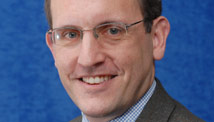
Three nuclear reactors at Fukushima Daiichi station are damaged -- some core melting is assumed to have happened in two of them. The risk is either that the damaged reactors continue to produce periodic hydrogen explosions and radioactive steam releases for weeks or months, or, worse that the containment shields fail altogether and highly radioactive materials become airborne, creating a toxic plume of gas and particles that could contaminate a wide area downwind from the crippled atomic plant.
The last reactor meltdown, in the Soviet-designed Chernobyl plant in the Ukraine in 1986, shows the potential consequences of a nuclear power accident. According to the U.S. Nuclear Regulatory Commission, an 18-mile radius exclusion zone around the plant was evacuated and closed off, including the cutting and burying of a one square-mile forest.
According to the World Health Organization, 347,000 residents were displaced from this area permanently. About 134 workers experienced acute radiation sickness; 28 of them died in 1986. At least 5,000 cases of thyroid cancer from radioactive iodine have been recorded in the area as of 2006.
 Radiation risks rise in Japan
  Japan nuclear crisis continues
  Radiation and human health
  Is U.S. threatened by Japan radiation? Nuclear power emergencies do not happen often, but when they do, the effects can be devastating. The same can be said for oil. Scientists say the BP oil spill in 2010, in which 4.9 million barrels of oil poured into the Gulf of Mexico, was the largest marine release of oil in history. It was the "worst environmental disaster in the history of the United States," according to the White House's Carol Browner. National Geographic reports that the BP incident was the fourth major spill in the Gulf in the last 50 years.
In the United States, about 20% of electricity comes from nuclear power plants and 95% of transportation fuel is derived from petroleum. We know these energy sources are a problem.
Until the Senate failed to pass climate legislation, the narrative about energy and the environment had been focused on the very real threat of climate change and the need for a narrow, market-friendly cap-and-trade regime placed on carbon.
This plan met pitched resistance from entrenched oil and coal interests in Washington, to be sure, but it was also out of sync with America. Taxing carbon in the midst of the Great Recession, even with an equivalent reduction in personal income tax, would have put an unacceptable burden on families who were already facing incredibly high costs for housing and transportation. Raising energy prices would have added to that burden without a sufficient incentive for the market to build alternatives.
America, in other words, needs a path to disaster-free energy that makes money. In a recent report I co-wrote with my colleague Chris Leinberger of the Brookings Institution, we identify just such a path.
America is experiencing a great demographic convergence around a new design for our communities. Baby boomers are emptying their nests while "millennials" are setting up their first households. Both groups, more than 50% of the population, want smaller, greener units in more walkable, transit-connected and healthy communities.
Tapping into that demand, in the same way Presidents Truman and Eisenhower tapped into the post-war housing demand to create today's suburbia, can provide America with its next economic boom. This is the best chance to unlock Wall Street's $3.6 trillion in cash and money market funds that is waiting for more "certainty" before being invested.
With America back to work building walkable urban villages out of the sprawl of American Dream 1.0, we can redesign much of our infrastructure, especially in the transportation and energy sectors. The key is reducing demand and changing supply.
On the demand side, meeting Americans' hunger for more walkable communities will mean the commute moves from car-dependent gridlock to efficient, convenient transit. The kids' activities and weekend errands will require a walk into the neighborhood park or the village center. Families that used to have three cars will move to two; two to one, and one to none. The Chevy Volt shows that Detroit can make and market affordable and attractive electric cars.
On the supply side, we must move toward an all-electric future. We already know how to engineer a 21st century smart grid that allows for the distributed generation of renewable electricity, ending today's dependence on the mix of centralized, disaster-prone sources of energy. The trick is moving away from centralized power generators fueled by coal and nuclear.
Distributed generation is already happening. New York is trying to avoid building expensive new power plants and is encouraging large building projects to provide their own energy. The New York Times building has a combined heat and power unit that supplies cleaner, natural gas-fueled power to the building, then sells excess power back to the grid. The unit saves the Times around $790,000 per year, provides more reliable electricity, and the pressure on the Big Apple to spend taxpayer dollars on a massive new power plant is reduced.
Nationally, more than enough renewable energy is available for our market economy to take this to scale.
A 2005 California Energy Commission study showed that rooftop solar installations in California could produce almost 68 gigawatts of electricity by 2016, surpassing the state's total demand of 65 gigawatts.
Concentrating solar power installations in the Southwest could deliver an awesome 7,000 gigawatts; nearly seven times the amount of electricity produced from all sources in the United States.
According to the Department of Energy, America's accessible wind resources total 12 times the current electricity consumption of the United States. China, too, can make the switch. It has more than enough wind to replace its current demand and plentiful solar resources on top of that.
The tragedy in Japan, coming less than a year after the BP disaster and the failure of climate legislation in the Senate, should be a wake-up call for America. The demographic demand for a sustainable American Dream is waiting to be tapped. Transition strategies are already on the shelf: hybrid cars and distributed high-efficiency natural gas, like the system in The New York Times building.
One thing is clear: The sun is setting on disaster-prone energy. It's time to put America's economy to work making our nation more sustainable, secure and prosperous.
自宅に太陽光発電システムを設置し、余剰電気を電力会社に売ることも出来きますよね。
ならば、各家庭やビル、またはあいている土地に太陽光発電システムを設置し、悪天候が続いた
などで電力不足が生じた場合に電力会社の発電で補う、これで十分に便利な生活をしていけるのではないでしょうか?
(電力会社は発電システムのメインテナンスなどを行いその手数料をもらえるなどすれば企業としても利益があると思います。パネルは常にきれいにしておかねばならないのでメインテナンスが必要であるし。)
京セラが太陽光発電システムを紹介していました。判りやすいと思いました。
http://
こちらもぜひ読んでいってください。
原子力発電所すべてを停止する道を探しましょ。
http://
追記
現在、アメリカや世界各国で原発廃止の方向に動いているようです。CNNで紹介の記事では屋上などでの太陽光発電システムが注目されています。
英語お好きな方は先に読んでください。私はプリントアウトして電車の中で読もうと思います。そして、要約を載せますね。少々お時間ください。
http://
U.S. needs a path to safe, clean electricity
March 15, 2011 9:11 a.m. EDT
STORY HIGHLIGHTS
- Patrick Doherty: Oil can foul the ocean, nuclear plant accidents can be deadly
- America needs to move toward energy sources that are not disaster-prone, he says
- Older and younger families want smaller-scale, walkable, green communities, he writes
- Doherty says local electricity from clean sources could meet that demand
Editor's note: Patrick Doherty is the director of the Smart Strategy Initiative at the New America Foundation.
(CNN) -- In Japan's earthquake-triggered nuclear emergency, at least 200,000 people who live within 21 kilometers of the Fukushima Daiichi Nuclear Power Station outside Tokyo have been removed from their homes -- residents who are already victims of the worst earthquake to hit Japan since records were kept. Three nuclear reactors at Fukushima Daiichi station are damaged -- some core melting is assumed to have happened in two of them. The risk is either that the damaged reactors continue to produce periodic hydrogen explosions and radioactive steam releases for weeks or months, or, worse that the containment shields fail altogether and highly radioactive materials become airborne, creating a toxic plume of gas and particles that could contaminate a wide area downwind from the crippled atomic plant.
The last reactor meltdown, in the Soviet-designed Chernobyl plant in the Ukraine in 1986, shows the potential consequences of a nuclear power accident. According to the U.S. Nuclear Regulatory Commission, an 18-mile radius exclusion zone around the plant was evacuated and closed off, including the cutting and burying of a one square-mile forest.
According to the World Health Organization, 347,000 residents were displaced from this area permanently. About 134 workers experienced acute radiation sickness; 28 of them died in 1986. At least 5,000 cases of thyroid cancer from radioactive iodine have been recorded in the area as of 2006.
 Radiation risks rise in Japan Japan nuclear crisis continues Radiation and human health Is U.S. threatened by Japan radiation?
 RELATED TOPICS
In the United States, about 20% of electricity comes from nuclear power plants and 95% of transportation fuel is derived from petroleum. We know these energy sources are a problem.
Until the Senate failed to pass climate legislation, the narrative about energy and the environment had been focused on the very real threat of climate change and the need for a narrow, market-friendly cap-and-trade regime placed on carbon.
This plan met pitched resistance from entrenched oil and coal interests in Washington, to be sure, but it was also out of sync with America. Taxing carbon in the midst of the Great Recession, even with an equivalent reduction in personal income tax, would have put an unacceptable burden on families who were already facing incredibly high costs for housing and transportation. Raising energy prices would have added to that burden without a sufficient incentive for the market to build alternatives.
America, in other words, needs a path to disaster-free energy that makes money. In a recent report I co-wrote with my colleague Chris Leinberger of the Brookings Institution, we identify just such a path.
America is experiencing a great demographic convergence around a new design for our communities. Baby boomers are emptying their nests while "millennials" are setting up their first households. Both groups, more than 50% of the population, want smaller, greener units in more walkable, transit-connected and healthy communities.
Tapping into that demand, in the same way Presidents Truman and Eisenhower tapped into the post-war housing demand to create today's suburbia, can provide America with its next economic boom. This is the best chance to unlock Wall Street's $3.6 trillion in cash and money market funds that is waiting for more "certainty" before being invested.
With America back to work building walkable urban villages out of the sprawl of American Dream 1.0, we can redesign much of our infrastructure, especially in the transportation and energy sectors. The key is reducing demand and changing supply.
On the demand side, meeting Americans' hunger for more walkable communities will mean the commute moves from car-dependent gridlock to efficient, convenient transit. The kids' activities and weekend errands will require a walk into the neighborhood park or the village center. Families that used to have three cars will move to two; two to one, and one to none. The Chevy Volt shows that Detroit can make and market affordable and attractive electric cars.
On the supply side, we must move toward an all-electric future. We already know how to engineer a 21st century smart grid that allows for the distributed generation of renewable electricity, ending today's dependence on the mix of centralized, disaster-prone sources of energy. The trick is moving away from centralized power generators fueled by coal and nuclear.
Distributed generation is already happening. New York is trying to avoid building expensive new power plants and is encouraging large building projects to provide their own energy. The New York Times building has a combined heat and power unit that supplies cleaner, natural gas-fueled power to the building, then sells excess power back to the grid. The unit saves the Times around $790,000 per year, provides more reliable electricity, and the pressure on the Big Apple to spend taxpayer dollars on a massive new power plant is reduced.
Nationally, more than enough renewable energy is available for our market economy to take this to scale.
A 2005 California Energy Commission study showed that rooftop solar installations in California could produce almost 68 gigawatts of electricity by 2016, surpassing the state's total demand of 65 gigawatts.
Concentrating solar power installations in the Southwest could deliver an awesome 7,000 gigawatts; nearly seven times the amount of electricity produced from all sources in the United States.
According to the Department of Energy, America's accessible wind resources total 12 times the current electricity consumption of the United States. China, too, can make the switch. It has more than enough wind to replace its current demand and plentiful solar resources on top of that.
The tragedy in Japan, coming less than a year after the BP disaster and the failure of climate legislation in the Senate, should be a wake-up call for America. The demographic demand for a sustainable American Dream is waiting to be tapped. Transition strategies are already on the shelf: hybrid cars and distributed high-efficiency natural gas, like the system in The New York Times building.
One thing is clear: The sun is setting on disaster-prone energy. It's time to put America's economy to work making our nation more sustainable, secure and prosperous.
The opinions in this commentary are solely those of Patrick Doherty.
お昼寝とピアノレッスン
今日は寒かったけれどいい天気でした。午前中は公園に行ってお昼を食べてから家族4人でクイーンズサイズのベッドに横になって映画を見ました。
部屋の中は暖かく窓から日の光が射していました。その光がお魚の水槽にも間接的にさしている。水がかすかな虹色に染まってる。視線は水底から水面を見上げるよう。大きな泡が水面を動かす度に虹がゆれる。泡がはじける音が絶え間なく聞こえる。
ヒナは私のおなかの上で眠りに落ちていました。湿った赤毛を鼻でなでながら、ハオの顔を時折見つめてみる。映画の夢中でころころと次々に変わる表情。
贅沢はあまり私には必要ない。適度に食べるものがあってこうして子供達と過ごせればそれでいい。旅行もしたかったら自分の足で歩いて行く先々で食 べ物採取して生きればいいんじゃないかな、くらいに思ったりもする。しかし私とは全く別種類の人々もいる。そして、その別種類の人々が間違っているとは全 く思わない。ただ、それぞれが違うというだけ。
世の中は難しいな、と思う。
そんな事を思うようになったためか・・
夫がハオにピアノの先生をつけようと提案してきた。いとこ達は全てプロのピアノレッスン/バイオリンレッスンなどを受けている。だからせめてピアノくらいは、と。
私は子供達にピアノなどを習いにいかせる気がもうなくなっていた。夫にハオに週1でピアノを教えてくれるよう頼んだ。そして将来的にハオがピアノをもっと習いたい、もっとひきたいと言うようにもしなったら、その時にプロの先生をつけることにしようと夫に私は提案した。
音楽は人生に彩りをつけてくれるから楽器演奏を習う事はいい事だと思う。
しかしプロに習うだのコンクールに出場するだの、一般教養としてだの、ということにもはや私は意味を全く感じない。芸術なんてそこらの石ころと等価値なのだという岡本太郎先生に私は同意だ。
教育/教養/知識/思考すら私は全く意味がない事だと感じるようになった。これは去年後半からの変化。
これは私の価値観。私の子供達が私と同じ価値観を持つとは限らないのだが「才能が本物なら何があっても消える事はない。」のだから大丈夫だ、と夫に説明すると夫は納得し彼自身が週一でピアノをハオに教える事に同意した。
幼児の天才教育なんて単に子供達にとっては害にしかならないと私は思っている。
日々、私は子供達と一緒にいる時間があまりないのだが出来る限り一緒にいる時間内では子供達の様子をしっかりと見たいと思う。彼らがそれぞれ何に喜びを感じるかを見極めていきたいと思う。
お金儲けが好き、物質実利至上主義的な事をすると喜びを感じる子もいるだろう。それならばそれでその子の心の向くままでよいと思う。うちの子もそうかもしれない。
物質実利至上主義だって悪い事では全然ないと私は思う。
こうならなければいけないというスタンダードは存在しない。そして理想の自己像も幻想。ありのままの自分だけが現実。でも、人はつい自分と他人を比べ、自分自身以外の何ものかになろうとしてしまう。
しかし、考えてみれば自分は一人しかいない。その自分というたったひとつの存在が何をなし得るかを見てみなくてはオモシロくないような気がする。 それはもしかするとアルコール中毒になったり麻薬中毒になったりしてどうしょもない「ダメ人間の生き方」をすることかもしれない。しかし世間一般的にダメ 人間と認識される人間=自分であるとしても、ありのままの自分を否定し他の誰かになろうとして「猿真似人生」で終わってしまっては、ありのままの自分が何 を体験するか、何を見ることが出来るかはわからないままになってしまう。それは案外、自分自身にとってのみならず世界と人類にとっても大きな損失ともなる のではないだろうか?とそう思えてならない。
ありのままの自分がダメならダメなままでとことん行き、何を体験し何を見るのかをとことんまで確かめてみたい。それが出来るのはたった一人、自分だけなのだから。
そんな気がこのごろする。
Saturday, March 26, 2011
今、TEPCOは法で有罪にしなくてはいけない。
この日記も他の日記も地震と原子炉、新エネルギーに関する私の日記(プライベート以外)はリンクフリーです。でも転載はしないでください。
悲しい事を書きます。お子さんのいる方は読まない方がいいかもしれません。
読む人はその辺りを覚悟してから読んでください。
政府が第3機関を組織して現場のモニターを
http://
空気中の放射性物質の種類と濃度、本当の値について疑問を感じます。
そのための証拠として外国でも民間でもいい、本当の空気中の放射性物質の種類と濃度を測定しておく必要があると思います。
この件、10年後、20年後に当時、あかちゃんだった子供だった人々が甲状腺ガンや白血病など発症するかもしれません。そして、その時には当時TEPCOのトップであった人はとっくに退職してしまっていることでしょう。特に天下りは。
今、TEPCOを法で裁く必要があると思います。
それは怒りからではありません。汚職が横行し腐敗した経済界と政府に「国民には権力」があるのだ、と示す例を今作っておかねば他にチャンスがないかもしれないからです。未来のより住みやすい安全な国作りのために。
この日記を読む皆さんに心から伝えたい事があります。
それは、アメリカと同じ完全陪審員制度を日本に実現する必要があると思う、ということです。なぜならこれが国民が権力を手に入れる効果的な方法であり、もしかすると唯一の方法かもしれないと感じます。
面倒くさい、勤務できない。
わかります。
でも、法として制定してしまえば社会制度そのものが調整されるでしょう。もし会社自体の制度が人員体制が陪審員制度のために整備される事になります。またアメリカでは13歳以下の子供には常に保護者か保護者の指定する成人が付き添うことが法で定められています。そのため手続きをすれば子供のケアテイカーは陪審員に選ばれる事はありません。病人の介護者も同じです。
人を裁くのは恐ろしい。
わかります。
でも、NO PAIN, NO GAINなのだと言えると思います。その恐ろしい責任を果たす「痛み、恐ろしさ」を受け入れ実行するからこそ、「力」「権力」が得られるのです。それ以外には道はないと言えるかもしれません。
完全陪審員制度になれば権力者を裁く事が可能になります。
「国はもっと国民の声を聞くべきだ。」という意見をよく聞きます。でも、権力者は「無力な者」の声など聞くはずがない、そのように思えてなりません。力のない者の声は無視することは正しくない考え方であるように思います。でも、少なくとも権力者は「無力な者の声など聞く必要ない。」そのように思う精神構造の持ち主であることは確実であると思います。
国民が「力」を手に入れなければならないと思います。それは家族と友人を守るために。
今、TEPCOのトップの責任者(現場ではなく)を今裁く必要があると思います。ずさんな管理体勢、作業員への正確な情報の伝達のミス・・など法で起訴できるうるもの全てに関して。
完全陪審員制度ならば今回でもTEPCOを裁くことが出来たでしょう。
国民である私たちが力、権力を手に入れる必要があると思います。国に国民の声を聞かせるための一つの有効な方法として完全陪審制度の実現をしたい、そう思います。
■1号機運転開始40年に…東電副社長が陳謝
(読売新聞 - 03月26日 20:15)
http://
東京電力の武藤栄副社長は26日の記者会見で、福島第一原子力発電所の1号機が同日に運転開始からちょうど40年を迎えたことについて、「こういう形となり、残念で申し訳ない」と陳謝した。
悲しい事を書きます。お子さんのいる方は読まない方がいいかもしれません。
読む人はその辺りを覚悟してから読んでください。
政府が第3機関を組織して現場のモニターを
http://
空気中の放射性物質の種類と濃度、本当の値について疑問を感じます。
そのための証拠として外国でも民間でもいい、本当の空気中の放射性物質の種類と濃度を測定しておく必要があると思います。
この件、10年後、20年後に当時、あかちゃんだった子供だった人々が甲状腺ガンや白血病など発症するかもしれません。そして、その時には当時TEPCOのトップであった人はとっくに退職してしまっていることでしょう。特に天下りは。
今、TEPCOを法で裁く必要があると思います。
それは怒りからではありません。汚職が横行し腐敗した経済界と政府に「国民には権力」があるのだ、と示す例を今作っておかねば他にチャンスがないかもしれないからです。未来のより住みやすい安全な国作りのために。
この日記を読む皆さんに心から伝えたい事があります。
それは、アメリカと同じ完全陪審員制度を日本に実現する必要があると思う、ということです。なぜならこれが国民が権力を手に入れる効果的な方法であり、もしかすると唯一の方法かもしれないと感じます。
面倒くさい、勤務できない。
わかります。
でも、法として制定してしまえば社会制度そのものが調整されるでしょう。もし会社自体の制度が人員体制が陪審員制度のために整備される事になります。またアメリカでは13歳以下の子供には常に保護者か保護者の指定する成人が付き添うことが法で定められています。そのため手続きをすれば子供のケアテイカーは陪審員に選ばれる事はありません。病人の介護者も同じです。
人を裁くのは恐ろしい。
わかります。
でも、NO PAIN, NO GAINなのだと言えると思います。その恐ろしい責任を果たす「痛み、恐ろしさ」を受け入れ実行するからこそ、「力」「権力」が得られるのです。それ以外には道はないと言えるかもしれません。
完全陪審員制度になれば権力者を裁く事が可能になります。
「国はもっと国民の声を聞くべきだ。」という意見をよく聞きます。でも、権力者は「無力な者」の声など聞くはずがない、そのように思えてなりません。力のない者の声は無視することは正しくない考え方であるように思います。でも、少なくとも権力者は「無力な者の声など聞く必要ない。」そのように思う精神構造の持ち主であることは確実であると思います。
国民が「力」を手に入れなければならないと思います。それは家族と友人を守るために。
今、TEPCOのトップの責任者(現場ではなく)を今裁く必要があると思います。ずさんな管理体勢、作業員への正確な情報の伝達のミス・・など法で起訴できるうるもの全てに関して。
完全陪審員制度ならば今回でもTEPCOを裁くことが出来たでしょう。
国民である私たちが力、権力を手に入れる必要があると思います。国に国民の声を聞かせるための一つの有効な方法として完全陪審制度の実現をしたい、そう思います。
■1号機運転開始40年に…東電副社長が陳謝
(読売新聞 - 03月26日 20:15)
http://
東京電力の武藤栄副社長は26日の記者会見で、福島第一原子力発電所の1号機が同日に運転開始からちょうど40年を迎えたことについて、「こういう形となり、残念で申し訳ない」と陳謝した。
政府が第3機関を組織して現場のモニターを。
CNN 3/25/11
http://
CNN 3/2611
http://
抜粋
"Three employees working near the No. 3 reactor Thursday stepped into water that had 10,000 times the amount of radiation typical for a nuclear plant, Nishiyama said. An analysis of the contamination suggests "some sort of leakage" from the reactor core, signaling a possible break of the containment vessel that houses the core, he said."
「3人の作業員が通常原子力発電所で測定される値の10000倍の濃度の放射性物質の量の水の中で作業をした。これはコアから何かが漏れ出している、すなわちコアを包む容器がすでに壊れている可能性を示唆する。」
抜粋
"These high levels suggest there may have been some sort of leakage directly into the ocean -- unlikely to be because of atmosphere emissions or rain alone, said an official with the Tokyo Electric Power Co., which operates the nuclear plant."
「海水から高い濃度の放射性物質が測定された。これは(コアから直接、溶解したコアが?)漏れだし海に流れ込んだ可能性を示唆するが、TEPCOは空気中の放射性物質の濃度と種類の値を根拠にこれを否定。」
CNNの記事 3/25にも冷却のために水を大量に注水しているからかもしれない、ともあります。
日本政府は空気中の放射線物質の測定を誰に任せているのだろうか?
日本政府が第3機関を組織して現場のモニターをチェックしにいってもよいのではないだろうか?と思えてなりません。
管さん、お願いします。
国民は残念ながらTEPCOからの情報はもう信用する事が出来ないと思います。だから空気中の放射線物質の測定も民間で出来る人がいたらぜひやっていただけたらとても助かります。
よろしければこちらも読んでいってください。
今、TEPCOを法で裁かなくてはいけない。
http://nikushokuusagi.blogspot.com/2011/03/http-mixi.html
よろしければ他の日記も読んでいってください。
■枝野長官、東電に情報公開を指導…作業員被曝
(読売新聞 - 03月26日 18:01)
http://
枝野官房長官は26日の記者会見で、東京電力福島第一原子力発電所3号機での作業員被曝(ひばく)事故の原因となった水の危険性を東電が事前に把握していたことが明らかになったことに不快感を表明、今後、東電に速やかな対応を求める考えを示した。
枝野氏は「首相官邸に報告はなかった。国民の不安、不信を招かないためにも、しっかりと情報を出すようさらに厳しく指導する」と強調。「あらゆる情報は正確にかつスピーディーに報告していただかないと、政府として適切な指示が出せない」とも述べた。
http://
CNN 3/2611
http://
抜粋
"Three employees working near the No. 3 reactor Thursday stepped into water that had 10,000 times the amount of radiation typical for a nuclear plant, Nishiyama said. An analysis of the contamination suggests "some sort of leakage" from the reactor core, signaling a possible break of the containment vessel that houses the core, he said."
「3人の作業員が通常原子力発電所で測定される値の10000倍の濃度の放射性物質の量の水の中で作業をした。これはコアから何かが漏れ出している、すなわちコアを包む容器がすでに壊れている可能性を示唆する。」
抜粋
"These high levels suggest there may have been some sort of leakage directly into the ocean -- unlikely to be because of atmosphere emissions or rain alone, said an official with the Tokyo Electric Power Co., which operates the nuclear plant."
「海水から高い濃度の放射性物質が測定された。これは(コアから直接、溶解したコアが?)漏れだし海に流れ込んだ可能性を示唆するが、TEPCOは空気中の放射性物質の濃度と種類の値を根拠にこれを否定。」
CNNの記事 3/25にも冷却のために水を大量に注水しているからかもしれない、ともあります。
日本政府は空気中の放射線物質の測定を誰に任せているのだろうか?
日本政府が第3機関を組織して現場のモニターをチェックしにいってもよいのではないだろうか?と思えてなりません。
管さん、お願いします。
国民は残念ながらTEPCOからの情報はもう信用する事が出来ないと思います。だから空気中の放射線物質の測定も民間で出来る人がいたらぜひやっていただけたらとても助かります。
よろしければこちらも読んでいってください。
今、TEPCOを法で裁かなくてはいけない。
http://nikushokuusagi.blogspot.com/2011/03/http-mixi.html
よろしければ他の日記も読んでいってください。
■枝野長官、東電に情報公開を指導…作業員被曝
(読売新聞 - 03月26日 18:01)
http://
枝野官房長官は26日の記者会見で、東京電力福島第一原子力発電所3号機での作業員被曝(ひばく)事故の原因となった水の危険性を東電が事前に把握していたことが明らかになったことに不快感を表明、今後、東電に速やかな対応を求める考えを示した。
枝野氏は「首相官邸に報告はなかった。国民の不安、不信を招かないためにも、しっかりと情報を出すようさらに厳しく指導する」と強調。「あらゆる情報は正確にかつスピーディーに報告していただかないと、政府として適切な指示が出せない」とも述べた。
Friday, March 25, 2011
米国から冷却水は飛行機で届いていた
はじめからアメリカは冷却水くれると言っていた。
http://nikushokuusagi.blogspot.com/2011/03/nrc-4000312-http-mixi.htmlの続きです。
確か見たはずのニュースが見つからないと思っていたのですが、見つけました。
(全く同じニュースではありませんけれども同じ内容。英文になりますが全文はコメント欄に転載します。)
BBC 03/11/2011
http://
抜粋
"US Secretary of State Hillary Clinton had earlier said the US Air Force had flown emergency coolant to the site.
But US officials later said no coolant had been handed over because the Japanese had decided to handle the situation themselves."
「ヒラリークリントンはエアフォースが冷却水を現地(福岡)に運んだと発表(現地に向けて飛行機が飛んだ、がより正確。)しかし、この冷却水は日本に渡される事はなかった。なぜならば日本は自分たち自力でこの状況に取り組むと決めたからだ。」
アメリカ空軍がすでに地震と原発事故発生後、即座に冷却水を届けてくれていたのですね。BBCですから間違いないでしょう。
日本政府に受け取っていてほしかった・・。
アメリカからの冷却水を受け取っていてくれたらもしかしてこの作業員の人達も広範囲に渡る日本の人々も放射能の恐怖に脅かされる事がなかったのではないか・・と思わずにいられません。
なぜ日本政府はアメリカの申し出をうけ、冷却水を受け取ってくれなかったのだろう?
続けて関連ニュースを探します
ロイターによれば、この冷却水輸送にアメリカ空軍の特別機を米国は使ってくれたとあります。http://
よかったら他の日記も読んでいってください。
作業員2人、内部被ばくも確認
http://
東京電力福島第1原発3号機のタービン建屋内で、作業員3人が被ばくした事故で、放射線総合医学研究所(千葉市)は25日夜、このうち2人が足に浴びた放射線量は2〜6シーベルトと推計され、内部被ばくも確認されたと発表した。いずれも症状は軽く皮膚移植などの必要もないため、週明けには退院の見通し。
同研究所の明石真言緊急被ばく医療研究センター長は「食欲もあり日常生活に支障はない。心配する必要はないと伝えると、ほっとした様子だった」と話した。
同研究所によると、2人は汚染された水にくるぶしから下を漬かり、2〜6シーベルトの放射線を浴びたとみられる。やけどは確認されていないが、3週間以内に症状が出る恐れがあるという。
また、2人は作業中に空中に拡散した放射性物質を吸い込んだとみられ、尿の検査から内部被ばくも確認された。
他の1人は作業時に長靴を履いており、汚染された水が身体に付着した形跡はなく、内部被ばくも確認されなかった。
放医研は問診などから、作業員は汚染された水に漬かりながら、2時間程度作業していたとみている。
衣服などからは、ヨウ素131やセシウム134、同137などが検出された。3人が漬かっていた水は、少なくとも5種類以上の放射性物質に汚染されていたとみられる。
-----

http://nikushokuusagi.blogspot.com/2011/03/nrc-4000312-http-mixi.htmlの続きです。
確か見たはずのニュースが見つからないと思っていたのですが、見つけました。
(全く同じニュースではありませんけれども同じ内容。英文になりますが全文はコメント欄に転載します。)
BBC 03/11/2011
http://
抜粋
"US Secretary of State Hillary Clinton had earlier said the US Air Force had flown emergency coolant to the site.
But US officials later said no coolant had been handed over because the Japanese had decided to handle the situation themselves."
「ヒラリークリントンはエアフォースが冷却水を現地(福岡)に運んだと発表(現地に向けて飛行機が飛んだ、がより正確。)しかし、この冷却水は日本に渡される事はなかった。なぜならば日本は自分たち自力でこの状況に取り組むと決めたからだ。」
アメリカ空軍がすでに地震と原発事故発生後、即座に冷却水を届けてくれていたのですね。BBCですから間違いないでしょう。
日本政府に受け取っていてほしかった・・。
アメリカからの冷却水を受け取っていてくれたらもしかしてこの作業員の人達も広範囲に渡る日本の人々も放射能の恐怖に脅かされる事がなかったのではないか・・と思わずにいられません。
なぜ日本政府はアメリカの申し出をうけ、冷却水を受け取ってくれなかったのだろう?
続けて関連ニュースを探します
ロイターによれば、この冷却水輸送にアメリカ空軍の特別機を米国は使ってくれたとあります。http://
よかったら他の日記も読んでいってください。
作業員2人、内部被ばくも確認
http://
東京電力福島第1原発3号機のタービン建屋内で、作業員3人が被ばくした事故で、放射線総合医学研究所(千葉市)は25日夜、このうち2人が足に浴びた放射線量は2〜6シーベルトと推計され、内部被ばくも確認されたと発表した。いずれも症状は軽く皮膚移植などの必要もないため、週明けには退院の見通し。
同研究所の明石真言緊急被ばく医療研究センター長は「食欲もあり日常生活に支障はない。心配する必要はないと伝えると、ほっとした様子だった」と話した。
同研究所によると、2人は汚染された水にくるぶしから下を漬かり、2〜6シーベルトの放射線を浴びたとみられる。やけどは確認されていないが、3週間以内に症状が出る恐れがあるという。
また、2人は作業中に空中に拡散した放射性物質を吸い込んだとみられ、尿の検査から内部被ばくも確認された。
他の1人は作業時に長靴を履いており、汚染された水が身体に付着した形跡はなく、内部被ばくも確認されなかった。
放医研は問診などから、作業員は汚染された水に漬かりながら、2時間程度作業していたとみている。
衣服などからは、ヨウ素131やセシウム134、同137などが検出された。3人が漬かっていた水は、少なくとも5種類以上の放射性物質に汚染されていたとみられる。
-----
Japan earthquake: Tsunami hits north-east
11 March 11 17:24 ET
Japan's most powerful earthquake since records began has struck the north-east coast, triggering a massive tsunami.
Cars, ships and buildings were swept away by a wall of water after the 8.9-magnitude tremor, which struck about 400km (250 miles) north-east of Tokyo.
A state of emergency has been declared at a nuclear power plant, where pressure has exceeded normal levels.
Officials say 350 people are dead and about 500 missing, but it is feared the final death toll will be much higher.
In one ward alone in Sendai, a port city in Miyagi prefecture, 200 to 300 bodies were found.
The quake was the fifth-largest in the world since 1900 and nearly 8,000 times stronger than the one which devastated Christchurch, New Zealand, last month, said scientists.
Thousands of people living near the Fukushima nuclear power plant have been ordered to evacuate.
Japanese nuclear officials said pressure inside a boiling water reactor at the plant was running much higher than normal after the cooling system failed.
Officials said they might need to deliberately release some radioactive steam to relieve pressure, but that there would be no health risk.
US Secretary of State Hillary Clinton had earlier said the US Air Force had flown emergency coolant to the site.
But US officials later said no coolant had been handed over because the Japanese had decided to handle the situation themselves.
The UN's nuclear agency said four nuclear power plants had shut down safely.
Measured at 8.9 by the US Geological Survey, it struck at 1446 local time (0546 GMT) at a depth of about 24km.
The tsunami rolled across the Pacific at 800km/h (500mph) - as fast as a jetliner - before hitting Hawaii and the US West Coast, but there were no reports of major damage from those regions.
Thousands of people were ordered to evacuate coastal areas in the states of California, Oregon and Washington.
The biggest waves of more than 6-7ft (about 2m) were recorded near California's Crescent City, said the Pacific Tsunami Warning Centre.
A tsunami warning extended across the Pacific to North and South America, where many other coastal regions were evacuated, but the alert was later lifted in most parts, including the Philippines, Australia and China.
Strong waves hit Japan's Miyagi and Fukushima prefectures, damaging dozens of coastal communities.
A 10m wave struck Sendai, deluging farmland and sweeping cars across the airport's runway. Fires broke out in the centre of the city.
Japan's NHK television showed a massive surge of debris-filled water reaching far inland, consuming houses, cars and ships.
Motorists could be seen trying to speed away from the wall of water.
In other developments:
- Four trains are missing along the coast, says Japan Railways; and a ship carrying 100 people was swept away
- Fire has engulfed swathes of the coast in Miyagi prefecture's Kesennuma city, one-third of which is reportedly under water
- A major explosion hit a petrochemical plant in Sendai; further south a huge blaze swept an oil refinery in Ichihara city, Chiba prefecture
- Some 1,800 homes are reported to have been destroyed in the city of Minamisoma, Fukushima prefecture
- A dam burst in north-eastern Fukushima prefecture, sweeping away homes, Kyodo news agency reports
- At least 20 people were injured in Tokyo when the roof of a hall collapsed on to a graduation ceremony
In a televised address, Prime Minister Naoto Kan extended his sympathy to the victims of the disaster.
As aftershocks rattled the country, residents and workers in Tokyo rushed outside to gather in parks and open spaces.
Many people in the Japanese capital said they had never felt such a powerful earthquake.
In central Tokyo, a number of office workers are spending the night in their offices because the lifts have stopped working.
"This is the kind of earthquake that hits once every 100 years," said restaurant worker Akira Tanaka.
Train services were suspended, stranding millions of commuters in the Japanese capital.
About four million homes in and around Tokyo suffered power cuts.
-----
Reuters 03/11/2011
http://
UPDATE 1-US did not deliver coolant to Japan nuclear reactor.
(Reuters) - The U.S. military did not provide any coolant for a Japanese nuclear plant affected by a massive earthquake on Friday, U.S. officials said.
U.S. Secretary of State Hillary Clinton earlier had said that U.S. Air Force "assets" had delivered "some really important coolant" to a Japanese nuclear power plant.
One U.S. official said he believed Clinton was told Japan had requested the material, that the United States had agreed to provide it, and that an operation to do so was under way.
Ultimately, however, Japan did not need assistance from the United States but Clinton did not appear to have been updated before she made her public remarks.
"We understand that ultimately the Japanese government handled the situation on its own," said another U.S. official, who spoke on condition of anonymity.
(Reporting by Arshad Mohammed; Editing by Will Dunham)
-----
Reuters 03/11/2011
http://
UPDATE 1-US did not deliver coolant to Japan nuclear reactor.
(Reuters) - The U.S. military did not provide any coolant for a Japanese nuclear plant affected by a massive earthquake on Friday, U.S. officials said.
U.S. Secretary of State Hillary Clinton earlier had said that U.S. Air Force "assets" had delivered "some really important coolant" to a Japanese nuclear power plant.
One U.S. official said he believed Clinton was told Japan had requested the material, that the United States had agreed to provide it, and that an operation to do so was under way.
Ultimately, however, Japan did not need assistance from the United States but Clinton did not appear to have been updated before she made her public remarks.
"We understand that ultimately the Japanese government handled the situation on its own," said another U.S. official, who spoke on condition of anonymity.
(Reporting by Arshad Mohammed; Editing by Will Dunham)
Subscribe to:
Posts (Atom)